
Creativity never dwindles. It’s ever-present even in the smallest of places. Even one’s own home.
John Hodkinson’s creativity sparks from the dead leaves, plant pots, and old rocks in his garden. That’s his starting point, then he gets into creating his piece.
“It's that aspect of thinking out of the box, coming up with something that nobody's ever seen before,” says John Hodkinson. “It's about getting involved with the subject, whatever it is, whether it's [a] design subject, [an] illustrative subject, or a painting subject, really tearing your teeth into it, getting involved in it, and coming up with some sort of visual solution.”
At 80-years-old, John Hodkinson's creative spark has been aflame since the very first time he was given a pencil and a piece of paper as a child, and he’s been “scribbling ever since.”
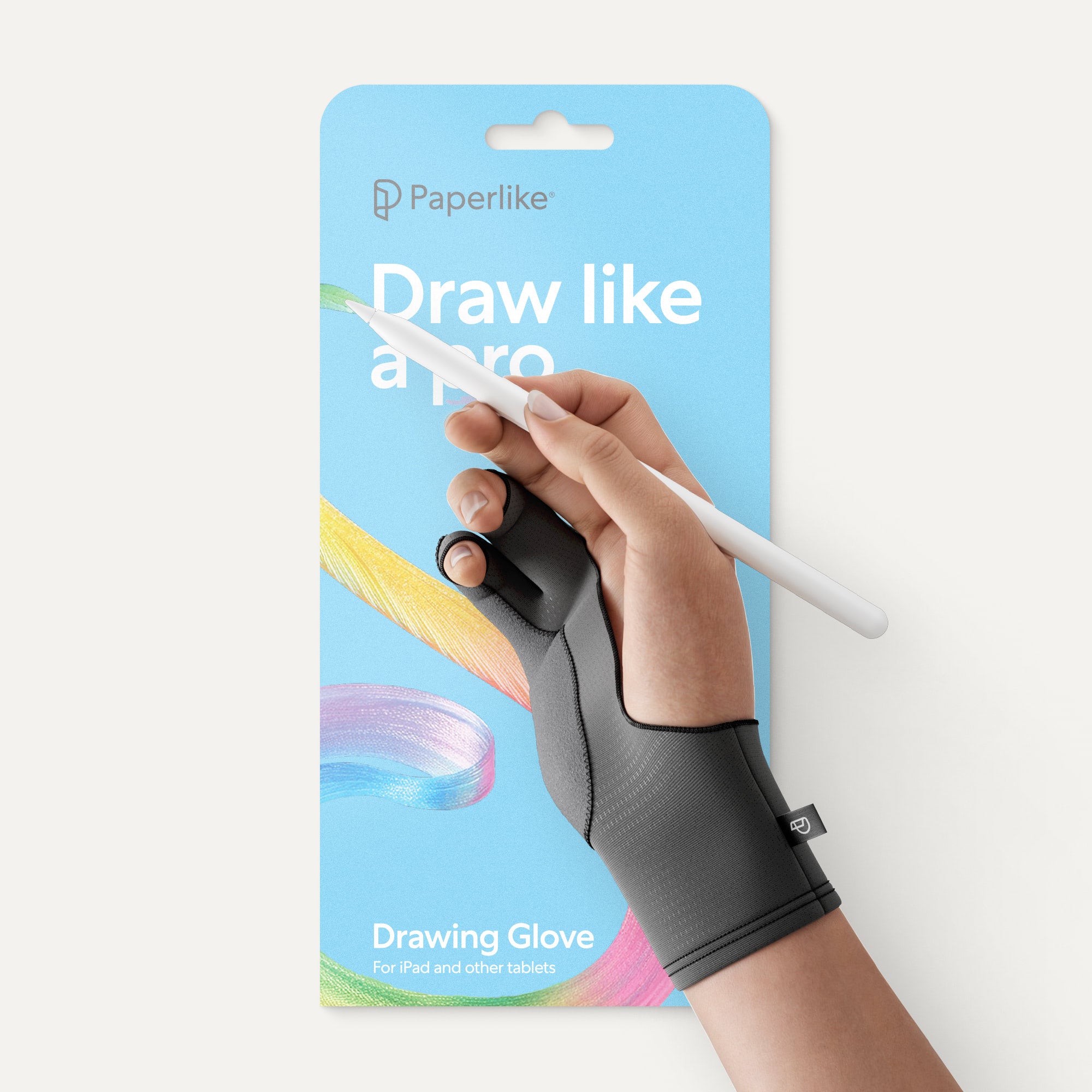
Last December, Hodkinson responded to one of Paperlike’s emails on whether Paperlike is a nice-to-have or a game-changer, sharing that Paperlike “does make drawing a bit more pleasant” for him, especially as someone with carpal tunnel syndrome.
In that email exchange with Jan Sapper, Paperlike’s CEO and founder, Hodkinson shared images of his artwork, stating that his iPad work ranges from collage to “traditional” drawing.
“Are you serious…” wrote back Sapper, “the images you shared were made on the iPad? They genuinely look like work on real paper. If you hadn’t said so, I wouldn’t have guessed.”
Sapper enjoyed hearing about Hodkinson’s process and joy of creating. That’s when he knew he wanted Hodkinson to design one of Paperlike’s postcards.
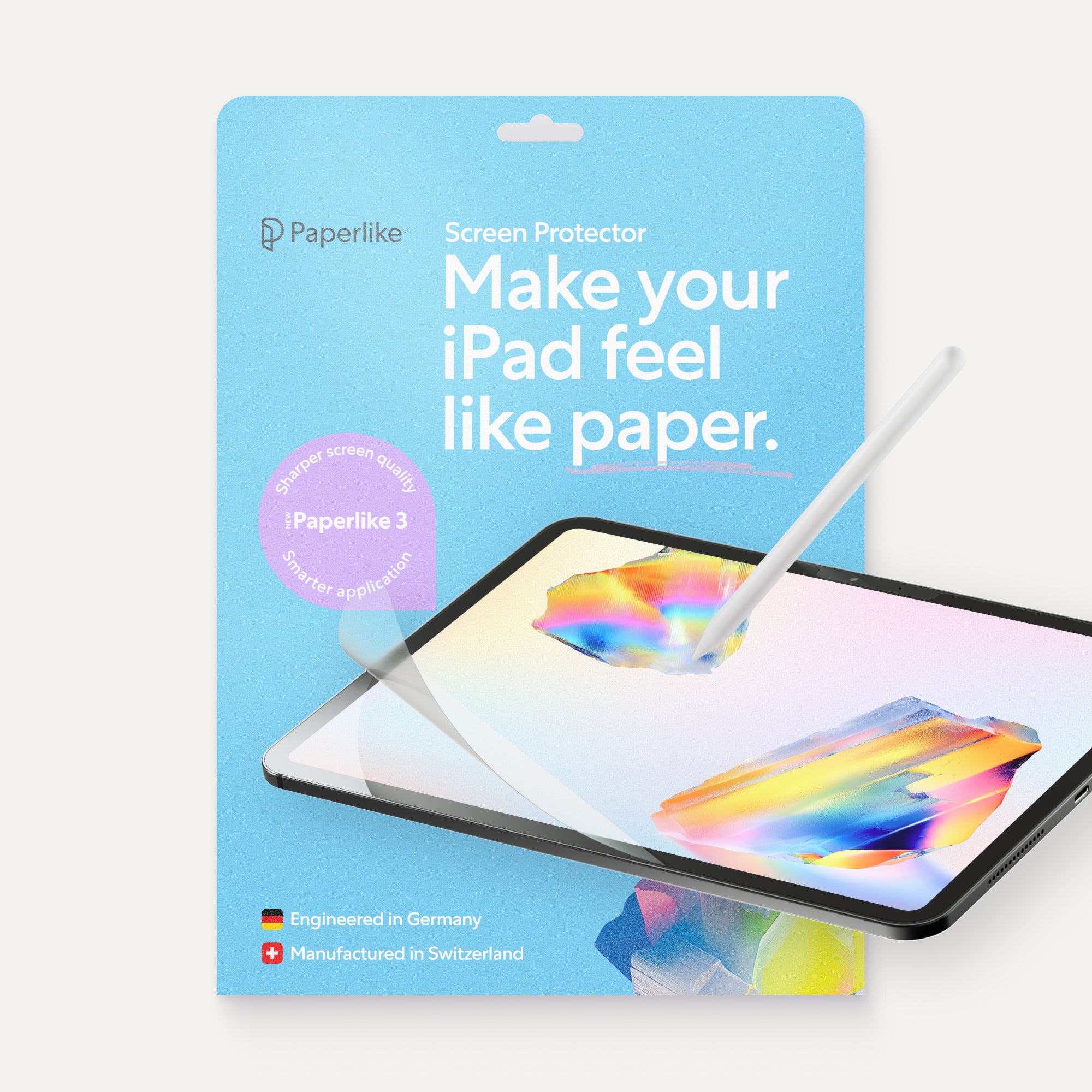
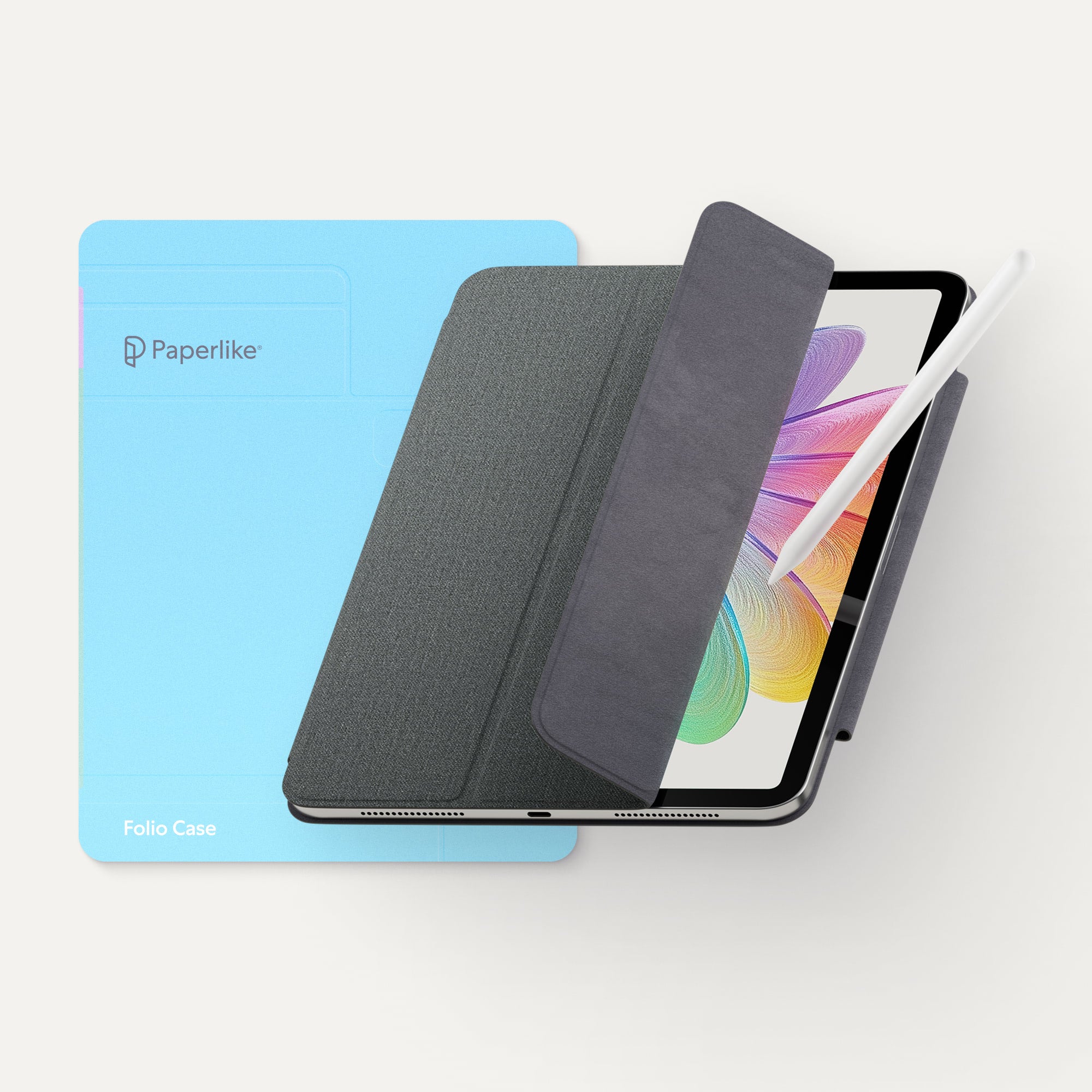
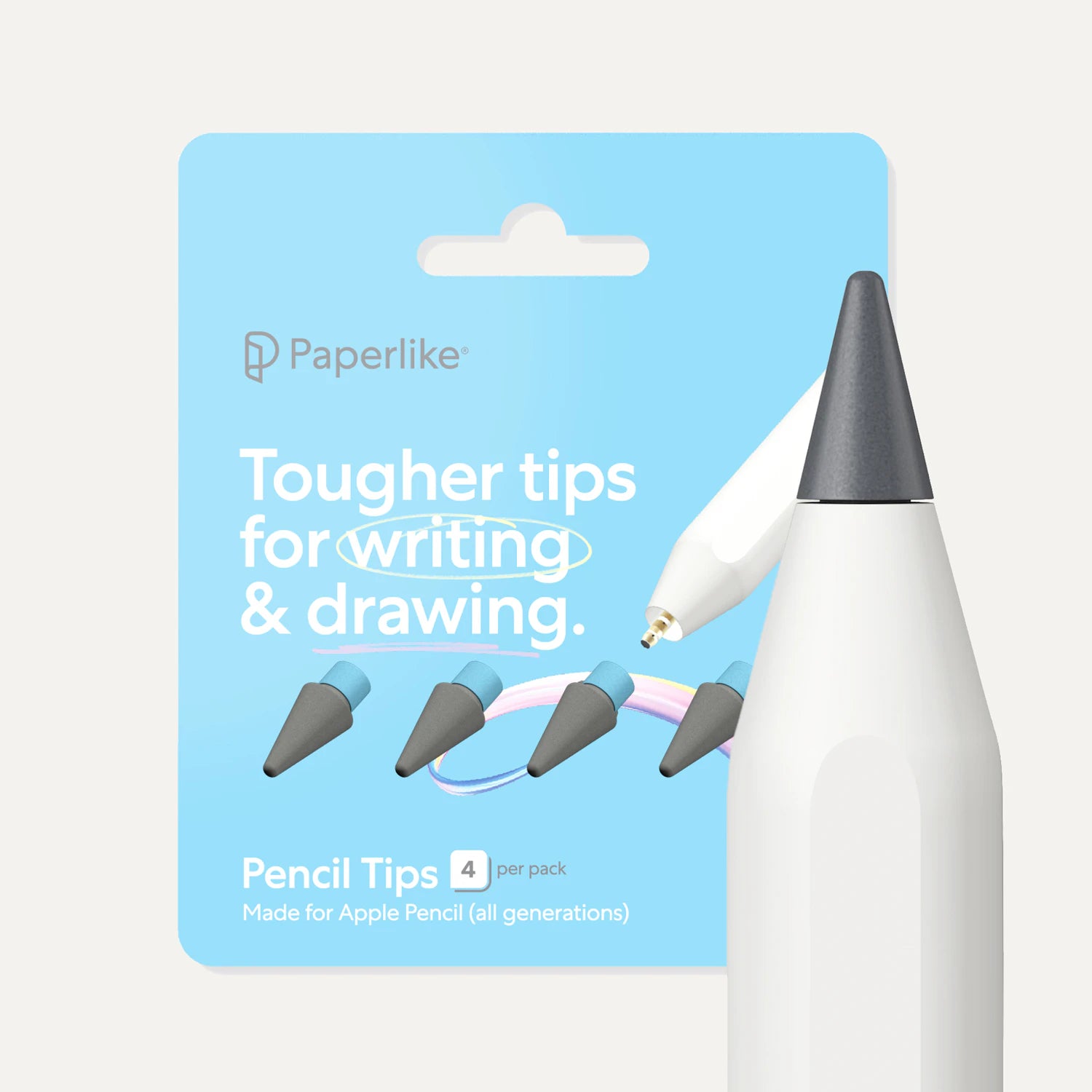
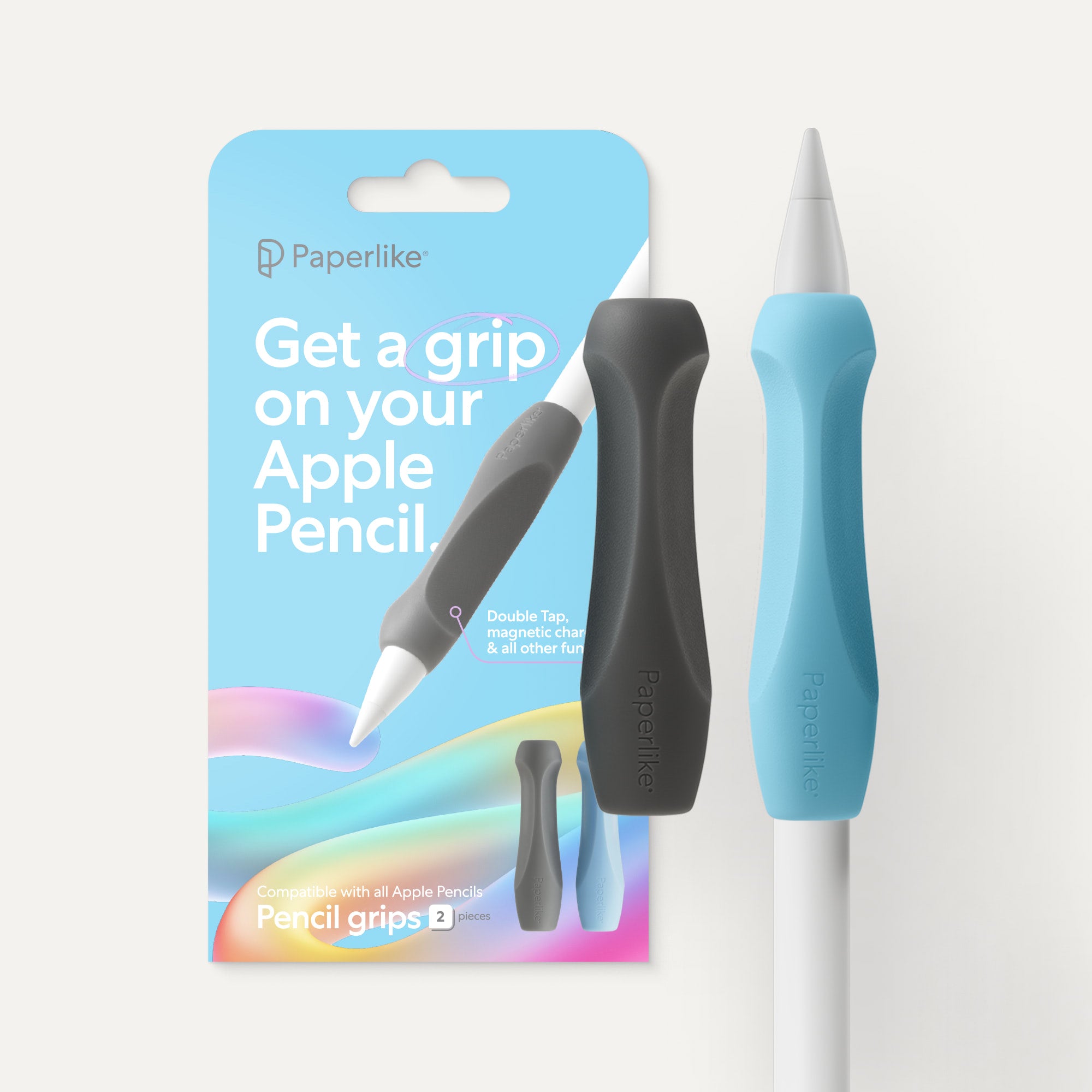
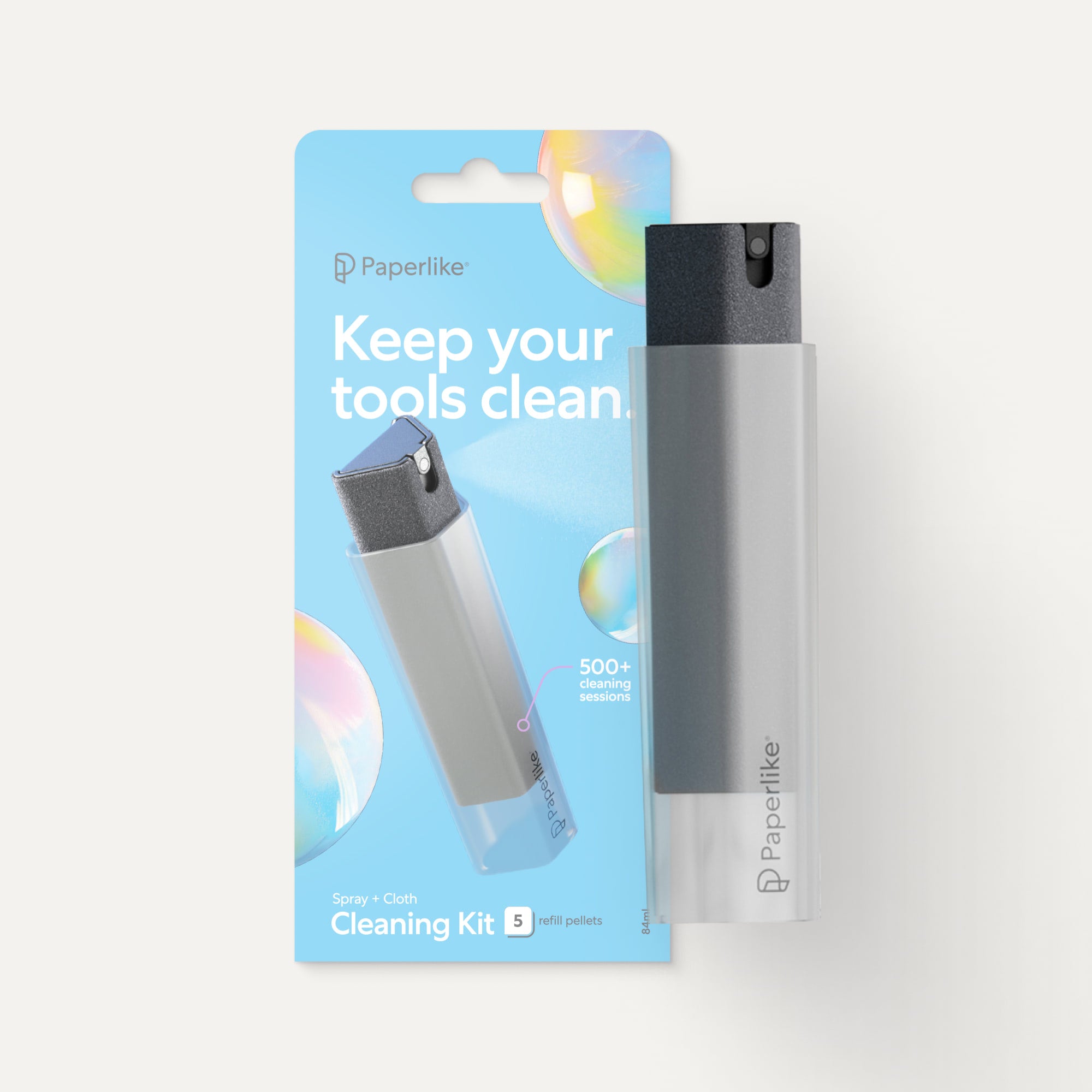
Every Paperlike product—from the Paperlike 3 Screen Protector to Pencil Grips—includes custom artwork commissioned by Paperlike and created by artists using their iPads to do their best work. Hodkinson is one of four artists featured in the latest round of commissions.
Before Sapper had even sent more details for the design of the postcard, Hodkinson had already drafted a version.
“[I] Thought about what's Paperlike’s about. What's its audience? What is it about the things that I've been doing that Jan's been interested in? How do I pull all those things together and produce a piece of work that will look quite good, and will hit the nail on the head and be optimistic, and not upset loads of people?” Hodkinson says.

The product? A colorful postcard featuring “different kinds of paper, new paper and old paper,” which served as the starting point for the design. Then came a little airplane, blue skies, birds, and the idea of “flying into the infinite sky.” Then, finally, the inclusion of a meaningful sketch in the illustration.
What is Art Style?
Hodkinson considers himself an adventurous artist with strong views on one’s “art style.” In the initial email chats with Hodkinson, he describes his art as a new experiment.
It's like a chimera. If you look for it, you'll never find it. But if you just get on with it, it will be there sitting on your shoulder, quietly guiding what you do.
That’s some of the words of wisdom he gave to his students when he was a lecturer at Preston Polytechnic, now known as the University of Central Lancashire.
He started at university in 1975 as a lecturer with a ‘special interest in illustration’, and also an industrial training tutor for graphic design. This involved arranging and monitoring three-month paid placements in the design and publishing industry across the UK. In 1997, he taught illustration courses and retired in 2005.
“I used to tell students who were obsessing about finding a ‘style’ that if they found one, it would by definition be someone else’s! Style is how other people describe what you do,” he says.
Hodkinson creates for himself and never limits himself to traditional artistic tools. Often switching between art forms, and liking one style and then waking up and going onto something else. Through it all, it’s a learning moment for him. He took what he liked from each period and used it in his current work.

The Evolution of Technology: Hodkinson Dabbled in it All
From the Macintosh to the Quantel PaintBox, he seems to have tried it all. The latter was won at a bid during his time at Preston Polytechnic.
When the Quantel PaintBox was first developed for live TV use, a government initiative purchased three of them to be competed for on a loan basis by UK educational institutions, each for a three-year term. Preston Polytechnic was one of the four colleges that banded together to bid for one of the three Quantel PaintBoxes. Hodkinson was the representative for Preston Polytechnic.
“That was a step up from the Macintosh,” he said, “because you had a large graphics tablet with a pen with a wire at the end of it, and you drew directly into a TV screen for live on-air digital manipulations.”
At around 60, Hodkinson retired. He continued his own painting activities and worked with his wife, Gilly, on museum projects, designing and illustrating. A lot of their work was for the Ruskin Museum in Coniston. Just before the COVID-19 lockdown, Hodkinson had an exhibition at the Ruskin Museum, which took the form of a ‘cabinet of curiosities’ of objects, constructions, and prints. The idea was to celebrate museums as sources of creative inspiration, rather than merely as academic storage.
He also illustrated six map banners for six museums in the highlands of Scotland. These map banners illustrated traditional stories from each museum's region, set against a map indicating their locations.
It was at this time that he got his first Apple Mac and dabbled in Adobe Photoshop and Illustrator. His process was to work on the design first with paper and pencil, then copy it into the Mac for polishing and adding extra details. Then he got an iPad and upgraded it to an iPad Pro, which he’s had for the last two or three years.
After the pandemic, he and his wife ‘retired’ and he now concentrates on making work on the iPad.
Despite his experience with evolving technology, this change didn’t feel natural right away. But he adapted to it.
“It's different to working with a piece of charcoal or with a piece of chalk, and you hold the pencil differently to the way that you hold chalk,” he says. “You use your thumbs and fingers to smudge in different sorts of ways, so you adapt to whatever medium you use. And I think the same thing happens with the iPad.”
He uses his iPad in the same manner he would use acrylic or paint; it’s just another medium.
For me, the advantage of the iPad mainly is it's so darn convenient. I could pick it up and work anywhere.
The ultimate purpose of technology is to help the user. With the right tools and setup, one’s workflow becomes easier and more efficient. Drawing is like second nature for Hodkinson. When drawing, he forgets about time, and now he has more time without major distractions, students to teach, or commissions with deadlines.
But there was a time when it caused pain and discomfort.
Hodkinson’s Life With Carpal Tunnel Syndrome
Hodkinson developed severe carpal tunnel syndrome in both hands, with it being slightly worse in his right hand, his drawing hand.
For Hodkinson, it also led to arm pain and difficulty sleeping, amongst other things. Despite seeing various doctors and physiotherapists, it was a pain endured for almost 10 years until it was diagnosed. In 2023, he had the operation–he opted for both his hands to be operated on at the same time–for it.
After his surgery, both hands were bandaged for up to three weeks, and he immediately started drawing, clumsily at first.
“I carried on drawing because I thought, ‘I'm not going to let this beat me at all,’” he said.
After the bandages came off, a new spark of creativity inspired a drawing of his bandaged hand with a rainbow emerging from it, “to signify optimism and the fact that it was better.”
Hodkinson noted that once the operation was over, the pain stopped, and all he had was a slight bit of discomfort. However, it’s “hard to recall now, because your mind edits out unpleasantness.”
But that drawing was proof of his positivity.

“I did it sort of in the manner of Ovo, with a nod to Fra Angelico for that kind of heavenly, kind of optimistic, pleasant, niceness that those Italian artists had,” he says.
Unfortunately, it wasn’t all rainbows.
Over 18 months, the slight insensitivity and stiffness in Hodinkson’s fingers gradually lessened as the nerves regrew. His consultant explained that any remaining insensitivity and stiffness are due to permanent nerve damage and the severity of the condition. Hodkinson was left with a lack of feeling in three fingers, which is a problem when drawing.
“I often used to say that your finger sensitivity is an important aspect of what you do,” he says. “But again, I believe that you draw with your brain, not with your fingers, and you learn to compensate.”
It’s the shift in thinking here that’s important.
Now, Hodkinson draws without any real impairment because of that belief–the belief that it is your brain that knows how to draw and the hands are the tool you use to draw.
Throughout it all, Hodkinson stays optimistic, and one can’t help thinking back to his drawing and its symbolism.
All Roads Lead Back to Drawing
His coping method is to continue drawing.
I figured that when you’re drawing, you're moving your hand in all manner of ways. So it's probably as good [an] exercise as you can do. Plus, it's a lot more interesting drawing than it is doing exercises.
Be on the lookout for Hodkinson’s postcard in your Paperlike package; it’s sure to add even more color to your setup. Tag us @paperlike on Instagram and Threads (@paperlikeofficial on TikTok). We’d love to see which postcard you’ve received.
At Paperlike, we deeply care about our community, not just how our products improve your workflow. We encourage you to see a doctor if you are experiencing wrist pain to avoid unnecessary discomfort and possibly long-term nerve damage.
Important to note: We are not healthcare professionals.