
Upon hearing the phrase “iPad kid,” you react negatively, associating it with something addictive or with short attention spans. What you may not know is that it can go beyond being a distraction tool. For some, it plays an important role in their day-to-day lives.
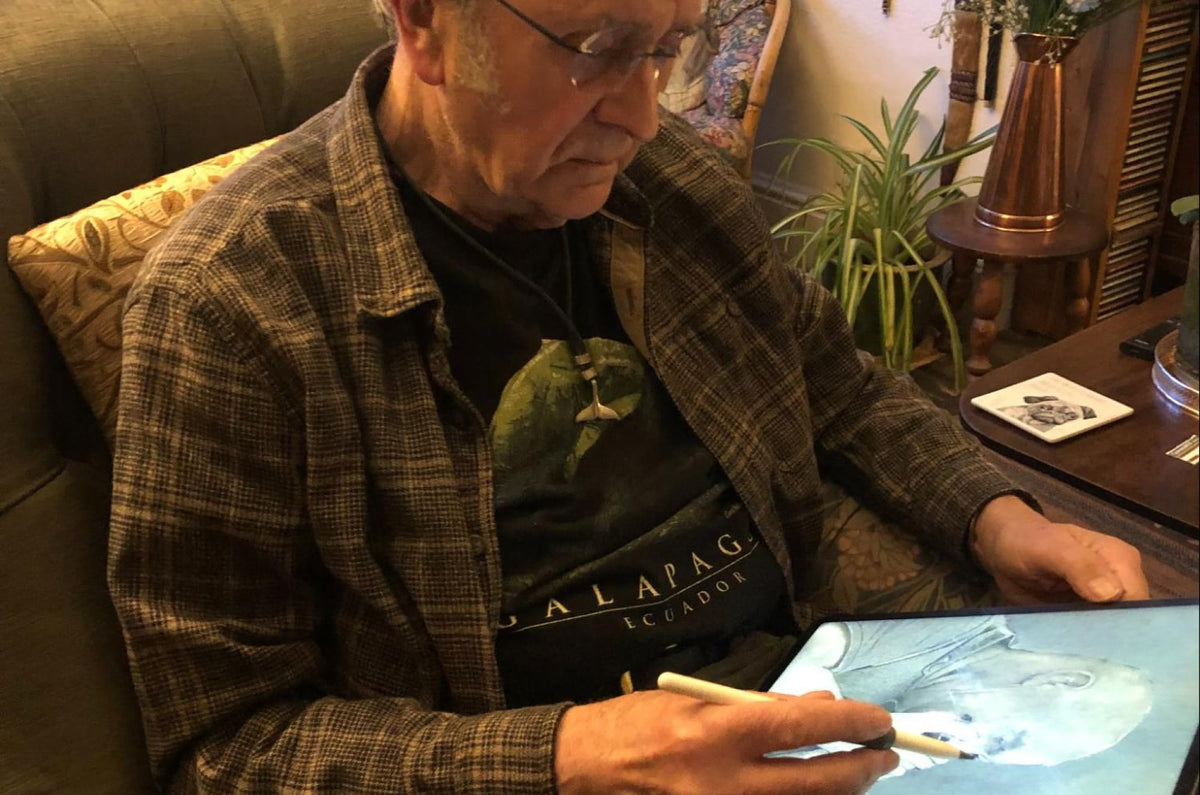
Meet Victor Verstraete, a 12-year-old boy who is visually impaired. At age six, his parents used the iPad Pro and Apple Pencil in his learning.
“Over time, we realized that technology wasn’t just entertainment for him,” said Sarah Depauw, Victor’s mother, in an email. “It became a tool that allowed him to access information, to create, and to participate in school in ways that would otherwise have been much more difficult.”
The struggle with a new norm
Even before Victor was born, his parents knew there was a chance that he could inherit his mother’s visual impairment–congenital cataracts.
According to a 2026 study conducted by the World Health Organization, the leading causes of vision impairment and blindness are refractive errors and cataracts.
Congenital cataracts are any clouding or opacity of the lens in one or both eyes. This typically happens before birth or during a baby's first year of life.
It was during a medical check shortly after his birth that it was confirmed that he had indeed inherited it.
Sarah notes that their natural eye lenses were removed shortly after birth because they were clouded. It’s different from an age-related cataract, as their eyes also have additional abnormalities.
Right now, Victor’s vision is about 1.5 out of 10, even with glasses and after correction.
To put this on a bigger scale, 90 million children and adolescents live with sight loss. Two million of these children are living with blindness, and 30 million have moderate to severe sight loss as noted by the International Agency for the Prevention of Blindness (IAPB).
Not knowing what Victor’s vision would be like as he grew older and how that would affect his independence was top of mind as he grew up.
When he was a baby, they tried contact lenses, but it turned out to be extremely difficult in practice because of their size and cost. These early years were filled with learning, adapting, and discovering what Victor was capable of.
And it still is a learning process.
“What helped us most was realizing that progress doesn’t always happen in a straight line,” Sarah said. “Some things take time, and that’s okay. The most important thing is that we go through that journey together.”
Technology is an outlet for creativity
Technology has always been a part of Victor’s life. Advised by professionals, television was used as a visual stimulation. The television slowly gave way to an iPad Mini, which was then replaced by the iPad Pro. The use of the iPad allowed Victor to go beyond just watching and interacting with what he saw.
With the introduction of the iPad early and the use of baby apps recommended by healthcare professionals, Victor’s way of playing and learning was a bit different. Those apps helped stimulate his vision and allowed him to interact with shapes, colors, and movement.
The iPad, with the right tools, has helped him access the world around him, and because of that, “it’s something we don’t want to restrict unnecessarily,” Sarah said.
For Victor, the iPad functions as another pair of eyes. Now at 12 years old, it’s the perfect blend of productivity and leisure–his most used apps being Notability and Roblox.
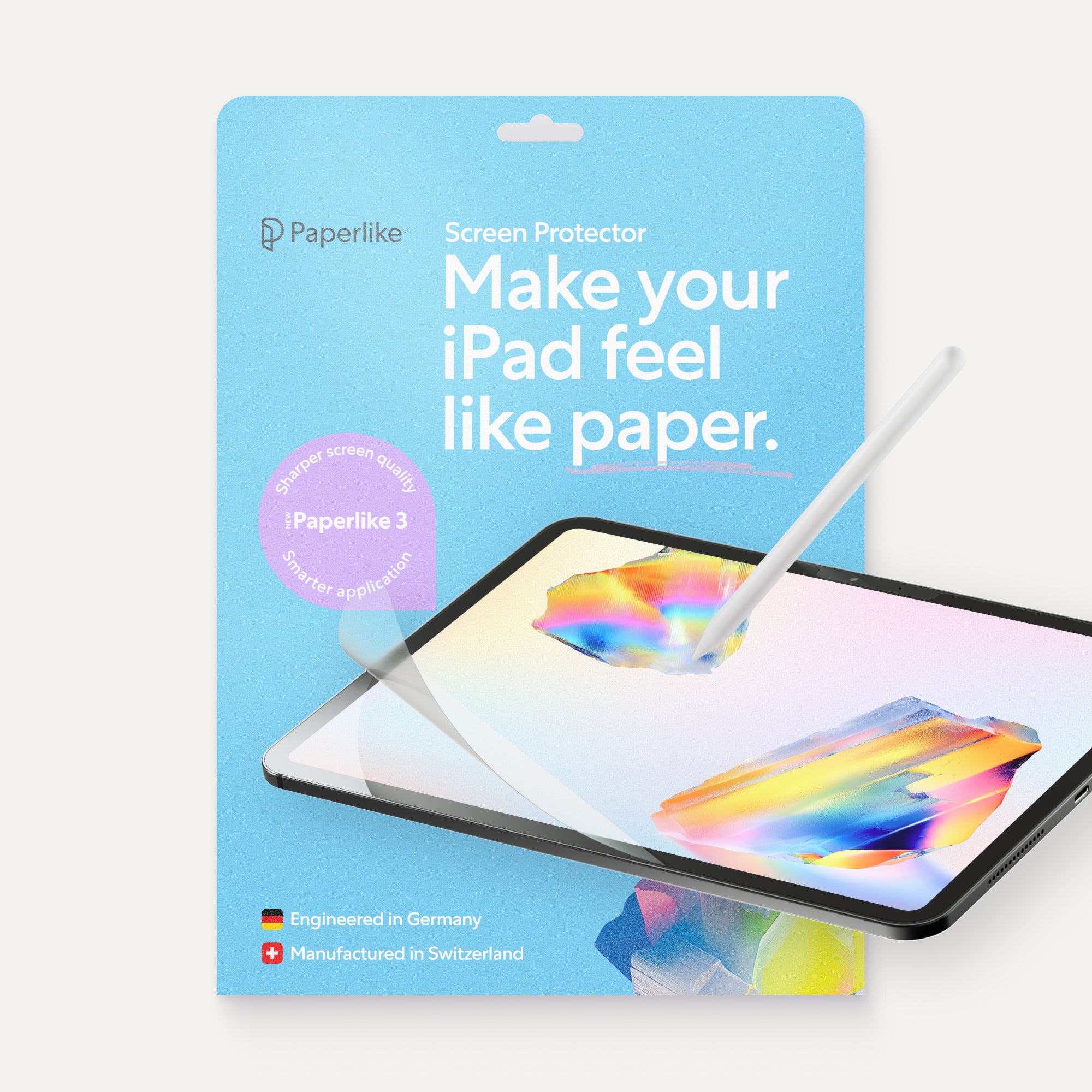
“I basically learned to write on an iPad with Paperlike and the Apple Pencil, not with pen and paper,” Victor said in an email. “When I compare the two, I write very neatly on the iPad because I can zoom in and make things bigger. On paper, my handwriting is almost impossible to read.”
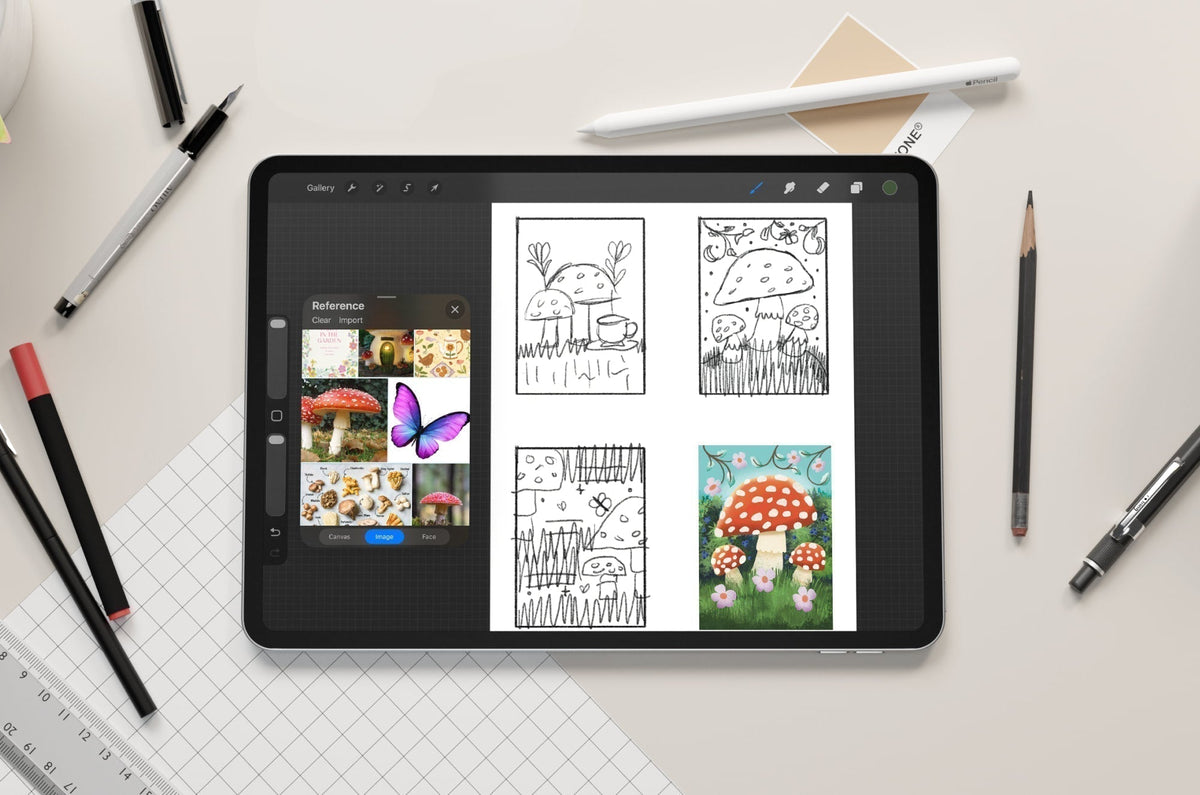
Alongside being a study tool for his books and notetaking, Victor uses his iPad to draw. During recess, Victor imagines small scenes or characters from games, and those thoughts come to life in Procreate.
Though he is still exploring his drawing style, Victor draws to make his thoughts tangible. His wish is for his iPad to have unlimited power so the battery would never run out.
Victor Verstraete–One of Paperlike’s Postcard Artists
Last December, Sarah responded to one of Paperlike’s emails on whether Paperlike is a nice-to-have or a game-changer, sharing her son’s creativity and story.
“For our family,” she wrote to Jan Sapper, “Paperlike is far more than a nice-to-have or a nostalgic substitute for paper. It is a practical, physical form of accessibility. One that quietly supports learning, creativity, and inclusion, every single day.”
Moved by the story, Sapper asked if Victor would be open to designing one of Paperlike’s postcards.
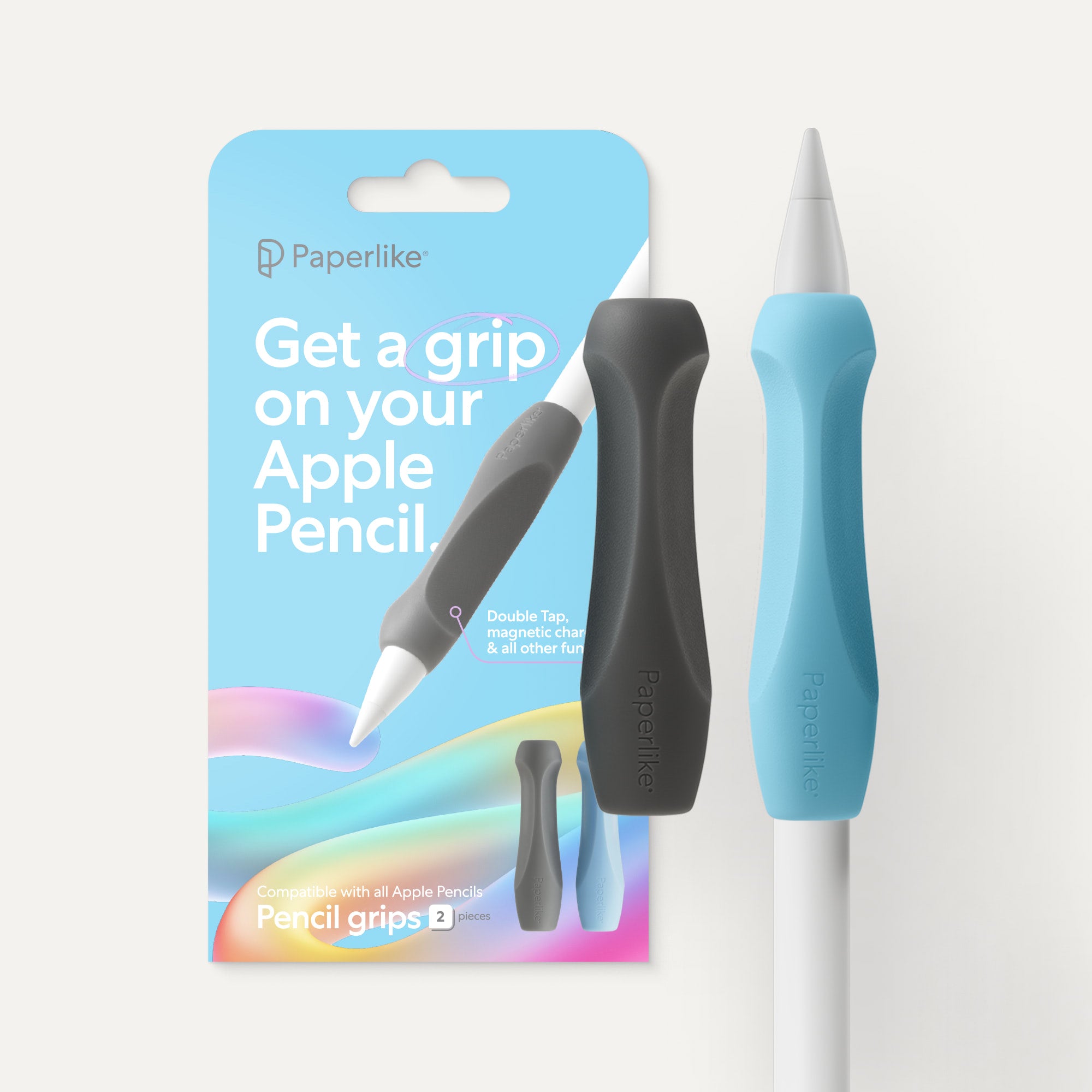
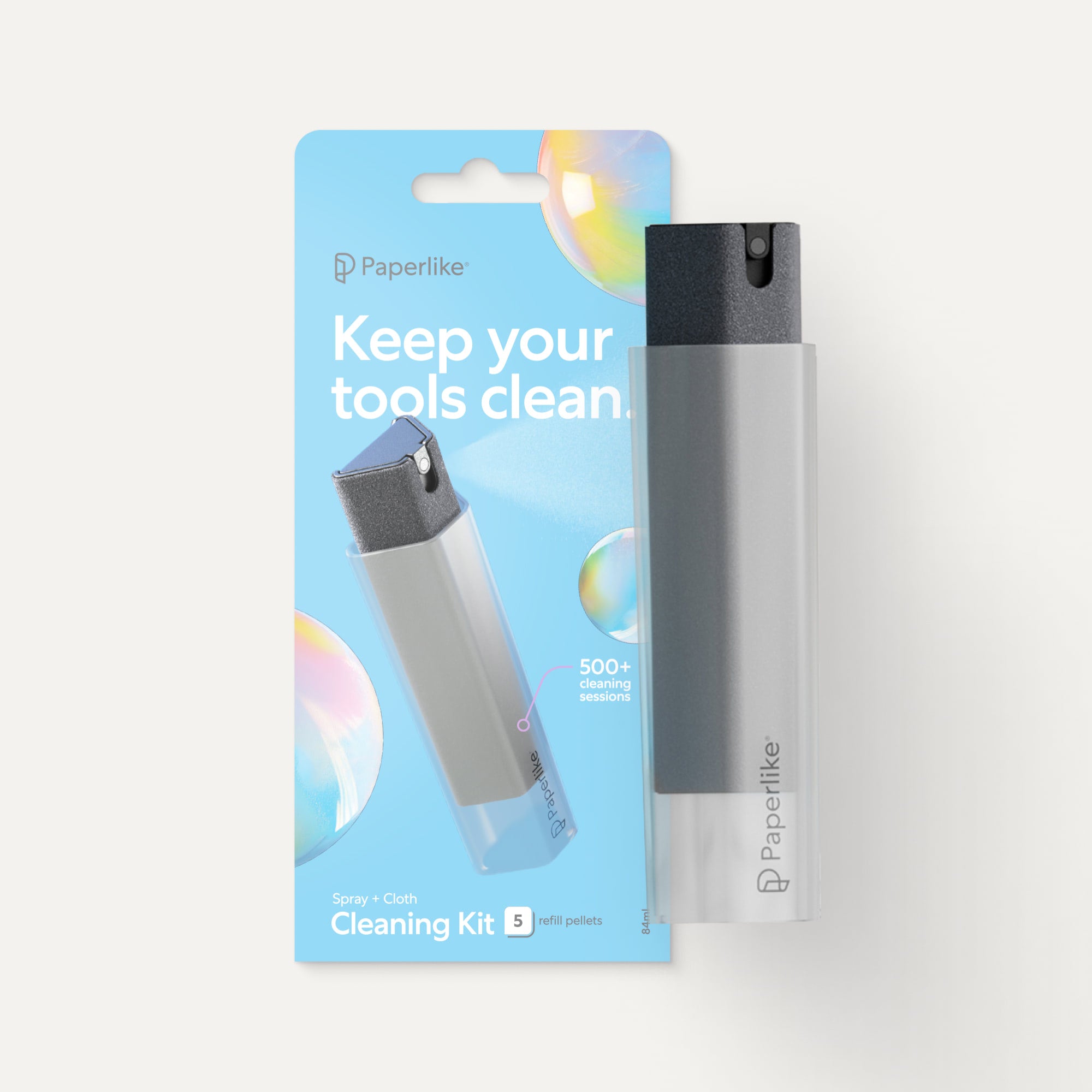
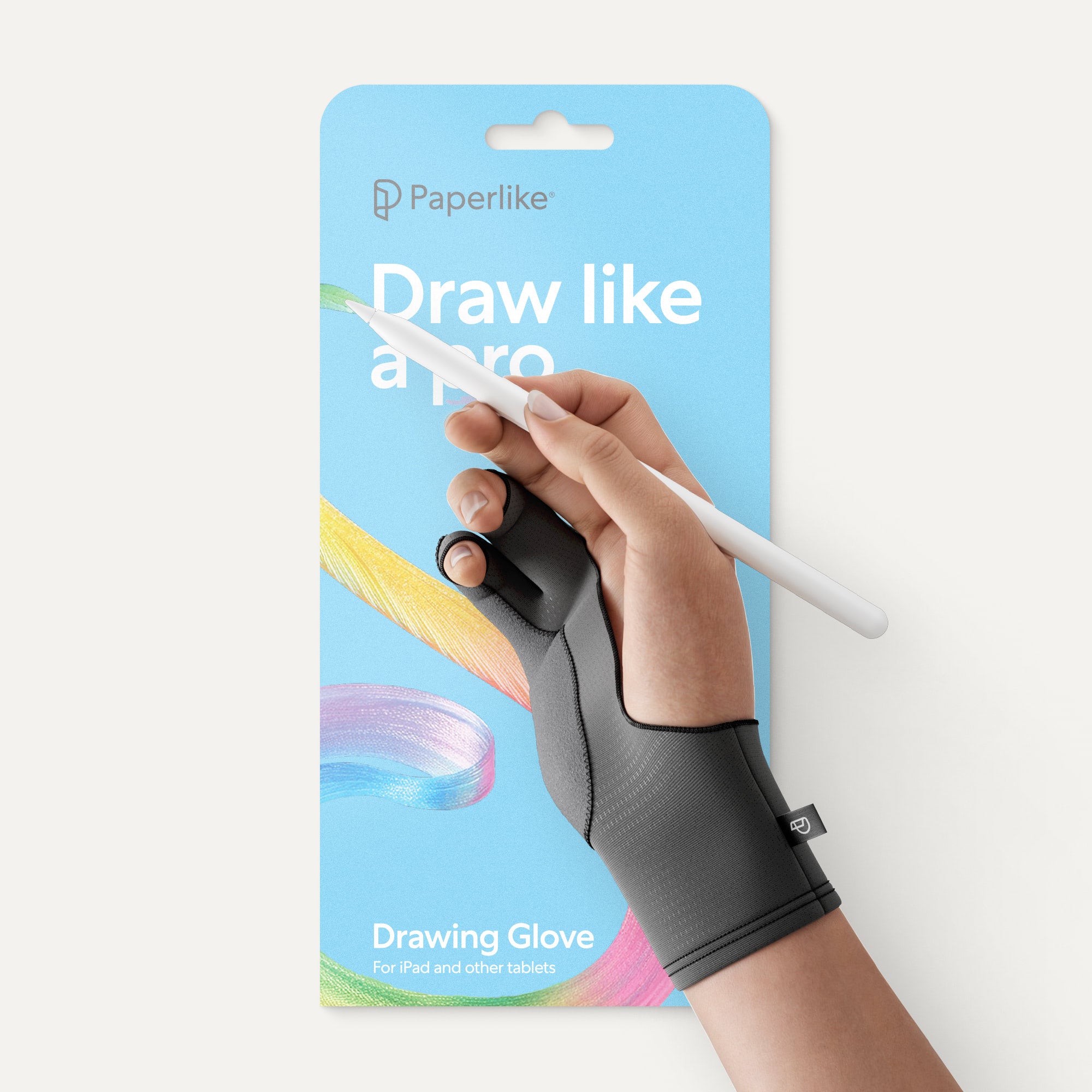
These postcards are included with every Paperlike product—from the Paperlike 3 Screen Protector to Pencil Grips—and feature custom artwork commissioned by Paperlike and created by artists using their iPads to do their best work.
“I don’t really make sketches,” Victor says. “Usually, I already have an idea in my head of what I want to draw. Otherwise, it ends up in the category of school doodles.”

Victor is now in art school, and he’s being pushed out of his comfort zone.
“Before, I mostly did my own thing and worked individually, but now I participate more often in group projects where we can work together and learn from each other,” he said.
One of his proudest moments was when his animation was projected onto a building, allowing him to see his design come to life. This was his town’s light festival, where you could walk through the town and see projections and light installations along the way.
His other proud moment? Having his artwork featured with Paperlike products.
The postcard, with a bright red background, is filled with eyeballs looking in different directions and has the phrase “Don’t stare. Don’t look away. Please do smile. And say 'hey.'”

His design is meant to be a message to the world.
“People have stared at me for as long as I can remember,” he said. “It made me think about how people react when they see something they don’t understand. The drawing came from that feeling.”
Having a disability does not mean one’s talents disappear. That is a damaging misconception.
Being asked to create one of Paperlike’s postcards was a boost of confidence for Victor. He mentioned that he never expected he would actually finish it, as he often has many unfinished drawings.
Aside from the support and excitement from their close circle, this recognition also means a lot to his mother.
“Very often the biggest obstacle isn’t the disability itself,” Sarah said. “It’s the world around you that isn’t always designed with you in mind.”
It’s more than a postcard; it’s about being given the space to show Victor’s talents in a world that doesn’t always make it easy for him to do.
As Victor depicts, don’t stare, but also don’t look away. It’s important to celebrate and smile at all talents, no matter the shape or form.
“I’m really happy about it,” says Victor. “I still can’t fully believe that it will reach so many people.”
Victor’s postcard is one of the many featured in Paperlike packages. Tag us @paperlike on Instagram and Threads (@paperlikeofficial on TikTok). We’d love to see which postcard you’ve received.