I like having big goals, but I’m not always great at keeping them in sight. I’ll start the month with a clear idea of what I want to make progress on, then look up two weeks later and realize I’ve been buried in smaller tasks instead.
It isn’t that the work is unimportant. It’s just easy to lose the thread of the bigger picture when you’re moving fast.
So this time, I wanted to try a method that promised something different. Not tighter scheduling. Not a stricter routine. Just a clearer way to stay connected to the things I said mattered at the start of the month.
That’s what pushed me toward Agile Results. I spent the past month testing it to see if it would help me keep that bigger arc in focus while still handling the day-to-day.
About Agile Results
Agile Results is a planning framework created by J. D. Meier, built around one simple idea: when everything feels important, nothing stands out. The system uses a 3x3 structure to pull your attention back to what matters most.
The concept: Choose three outcomes for the month, three wins you want each week, and three results you want each day. These aren’t just tasks. They’re markers that define what progress actually looks like.
The goal: Create a steady rhythm. Big picture at the top. Weekly direction to guide your focus. Daily results that move everything forward one step at a time.
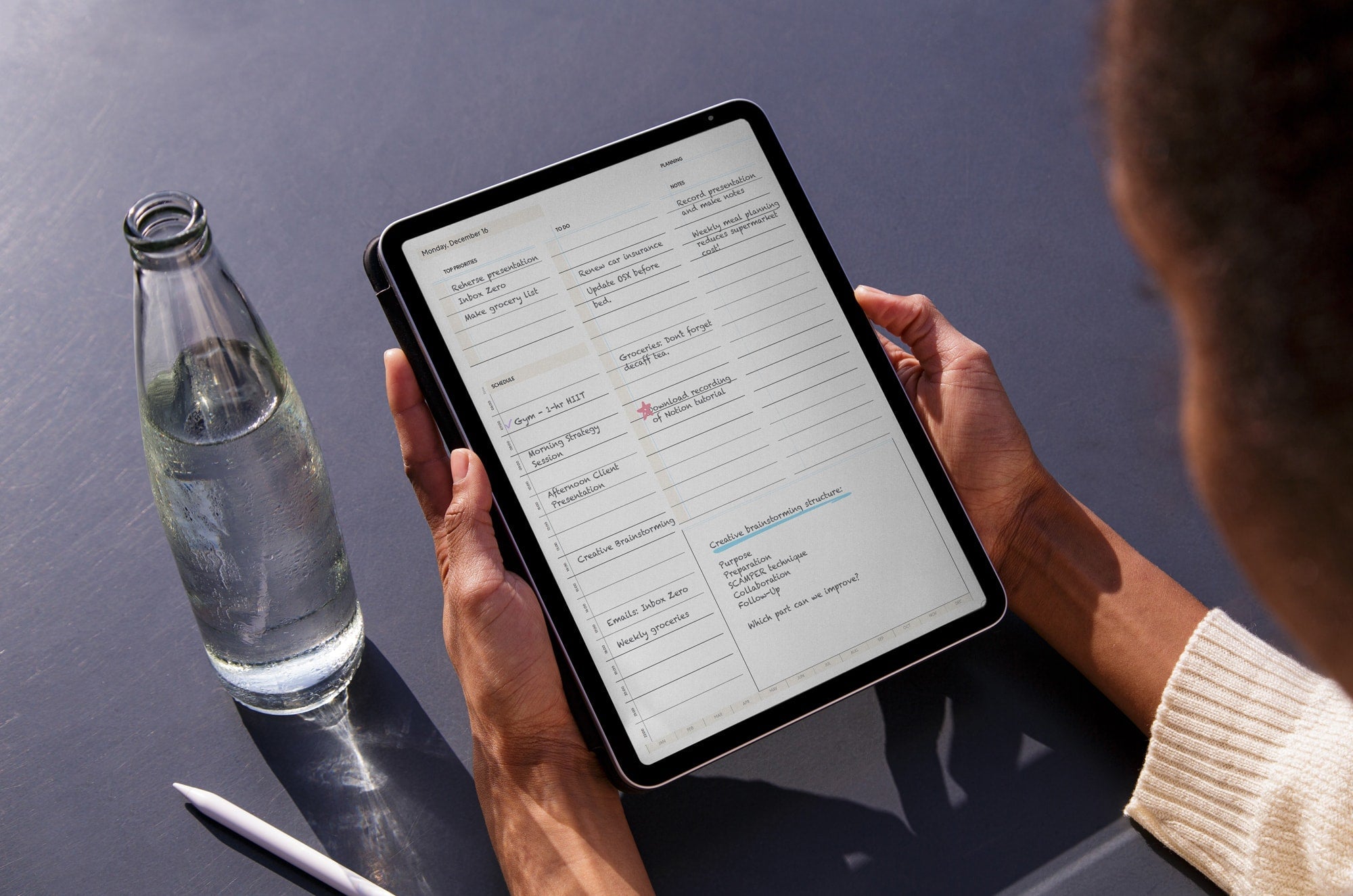
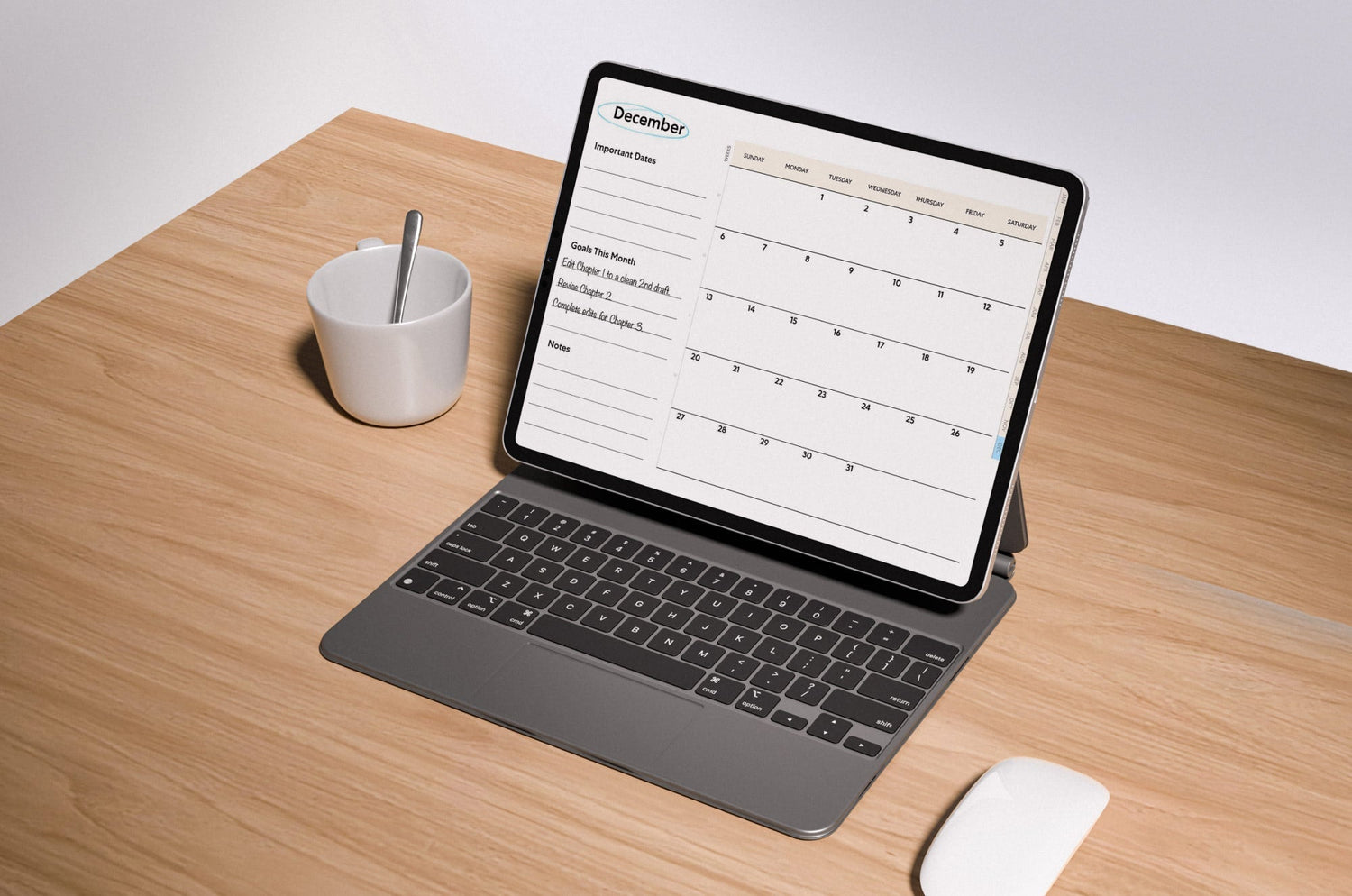
What I liked right away is that Agile Results isn’t rigid. It gives you enough structure to keep your work aligned with your priorities, while still allowing enough flexibility to adapt when plans change. It also fits naturally into digital planning. Monthly outcomes work well on a dashboard page, weekly wins fit inside a simple checklist, and daily results can sit anywhere you take notes.
Once I understood the structure, I set up my month and tried to follow the 3x3 approach to see what it would look like in practice.

Setting the pace for the month
Before I started, I wanted to clarify what I hoped Agile Results would help me do. Not in theory, but in terms of actual progress on something important to me.
What was I aiming for? I wanted to make meaningful progress on my novel edits. I’m deep in Draft Two territory, and it’s the kind of work that slips through the cracks when my days get busy. So I chose one outcome that felt challenging but realistic: edit three chapters to a clean second-draft level by the end of the month.
Once that was set, I opened my digital planner and sketched out my first week. I picked three weekly wins that directly connected to that outcome, like finishing the markup for the next chapter or revising a tricky scene. Nothing fancy. Just simple anchors to guide the week.
Daily results came last. Each morning, I chose three ways to move things forward. Sometimes it was revising a specific scene. Other days, it was rereading a chapter with fresh eyes or rewriting a character beat that wasn’t landing.
I wanted to see if this system would actually help me keep my writing goals on track, while still juggling everything else on my plate.

Following the thread
The first week felt like a warm-up lap. I had my three monthly outcomes and my weekly wins in place, but figuring out how to translate them into daily results took a little practice.
Editing a chapter isn’t a single task, and my brain loves to underestimate how long those scenes take to untangle.
Still, choosing three results each morning kept me honest. One day, it might be “revise the opening scene of Chapter Two.” Another day, it was “reread yesterday’s edits with fresh eyes.” The scope stayed small, but the momentum built quickly.
What surprised me most was how the weekly wins shaped my days. I didn’t expect to refer back to them as often as I did, but they gave the whole week a kind of gravity. Whenever I felt myself drifting toward low-effort tasks, I’d glance at that short list and recalibrate.
By the end of the first week, I had one chapter fully revised. Slow and steady, but steady. And that alone made the system feel promising.
Week two had a different energy. I hit a tough section in the manuscript, the kind that always takes longer than I think, and my daily results suddenly felt a lot harder. It was challenging to decide what would help me the most. I still narrowed it down, but it took more patience than I expected.
Week three is where the rhythm kicked in. I stopped overthinking my daily results and started choosing them faster. Three quick lines, and that was it. And somewhere in that rhythm, I hit a breakthrough in a chapter I’d been circling for weeks. I rewrote a scene that never quite landed, and for the first time, it finally felt like the character sounded like herself.
That small win carried me through the rest of the week.
Not that everything was perfect. I had a day where I tried to cram six daily results onto the page because “they were all important.” Spoiler: they were not. Turns out the rule of three exists for a reason.
Week four was a mix. Some days felt smooth, others went sideways, and I just worked with whatever I had. The pace wasn’t great, but it was steady enough, and I didn’t feel like I was wandering as much as I usually do.
When the month wrapped up, I could actually point to what I’d finished. Two chapters fully revised, and a solid start on the third. It wasn’t anything huge or dramatic, but it was good progress.
What worked and what didn’t
What worked? Agile Results gave me a clearer path through the month.
- I stayed connected to my bigger goals. Having three monthly outcomes kept the writing work from drifting into the background.
- Weekly wins gave the month structure. Even though the days could be very different, the week still had direction.
- The “daily three” kept me from overloading myself. Choosing just a few meaningful actions made the editing work feel doable.
But what didn’t? A few problems showed up quickly.
- Some days were hard to narrow down. When everything felt important, picking only three took more time than I expected.
- Big tasks didn’t always fit neatly. Editing a whole chapter isn’t easy to break into three tasks.
- Weekly planning took more effort than I expected. I had to be deliberate so it didn’t turn into a time sink.

FAQ
How do you set good monthly outcomes in Agile Results?
Start with goals that you can realistically finish in four weeks. Monthly outcomes should be specific enough to measure but small enough to complete without burning out. If everything you write down feels huge, try breaking those ideas into smaller milestones. The Ivy Lee Method is a great reference for setting clearer priorities and narrowing your focus.
What counts as a “result” in the daily three?
A result is something you can finish, not just something you worked on. “Outline the new scene” is a result. “Work on edits” is too vague. The clearer you are, the easier it is to tell whether you actually completed it.
How do you avoid choosing the same daily three every day?
This usually happens when your monthly outcomes are too broad. Try breaking each one into smaller milestones and pull your daily three from those. Weekly Reviews can help you zoom out and see where you might be getting stuck or repeating yourself.
Can Agile Results work for creative projects like writing, art, or design?
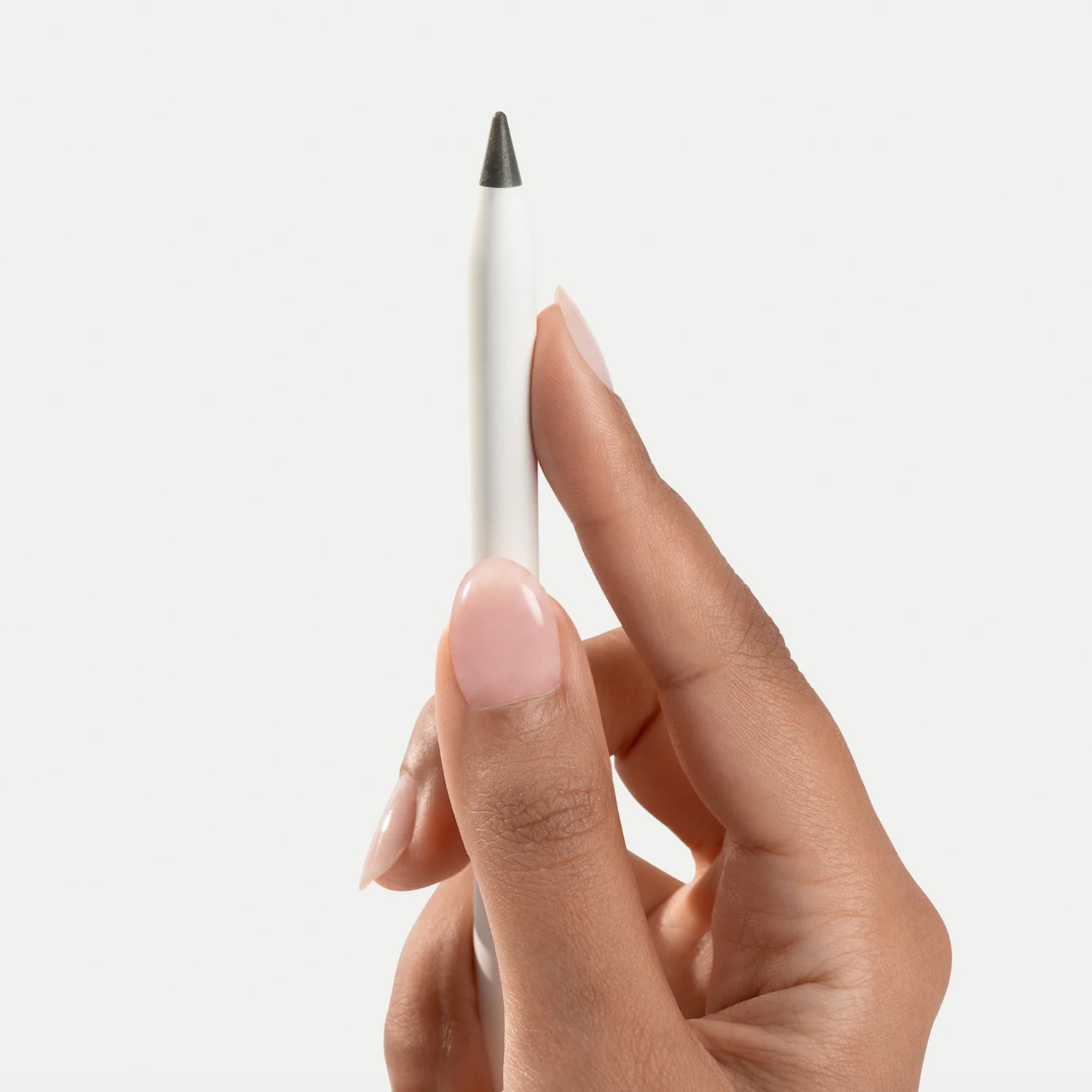
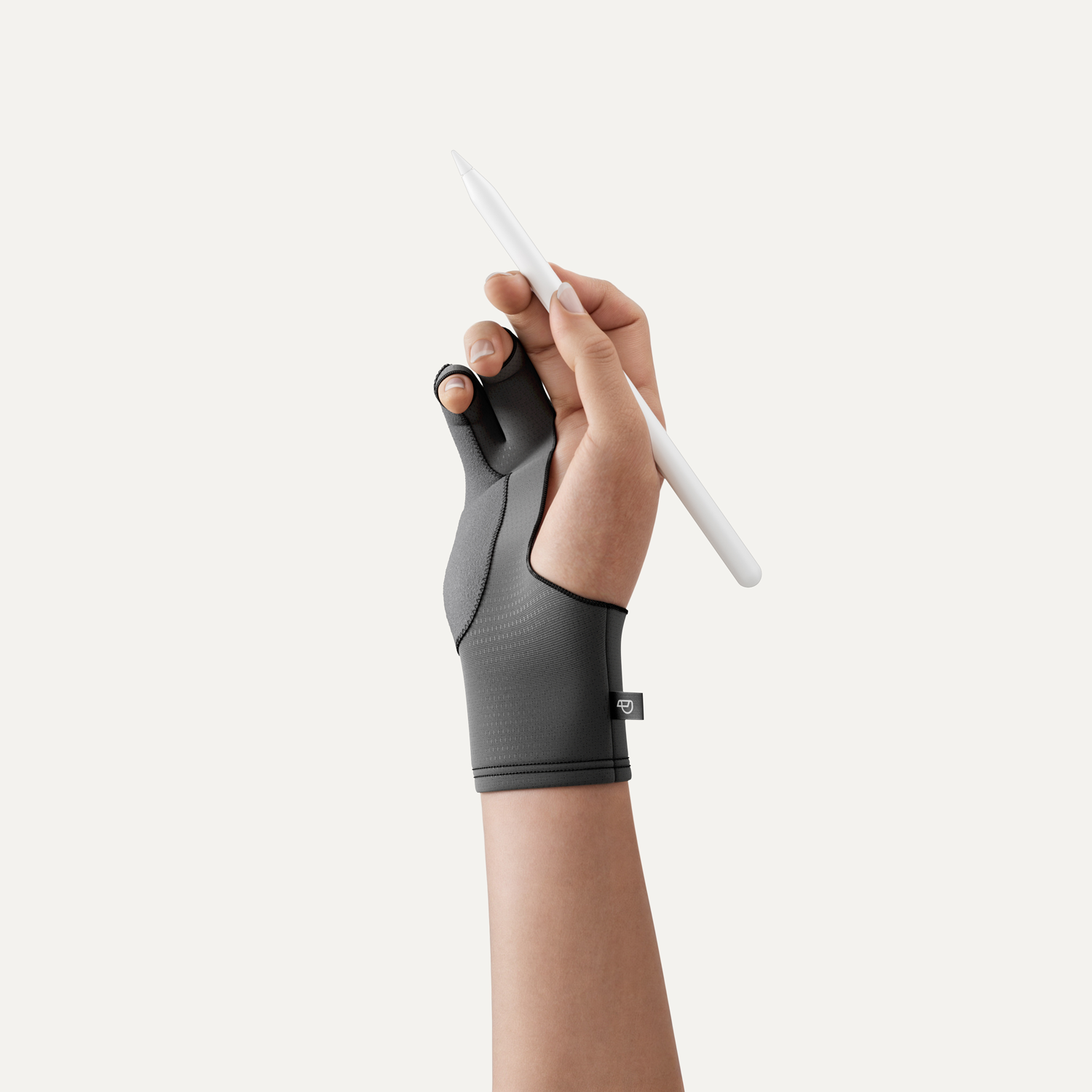
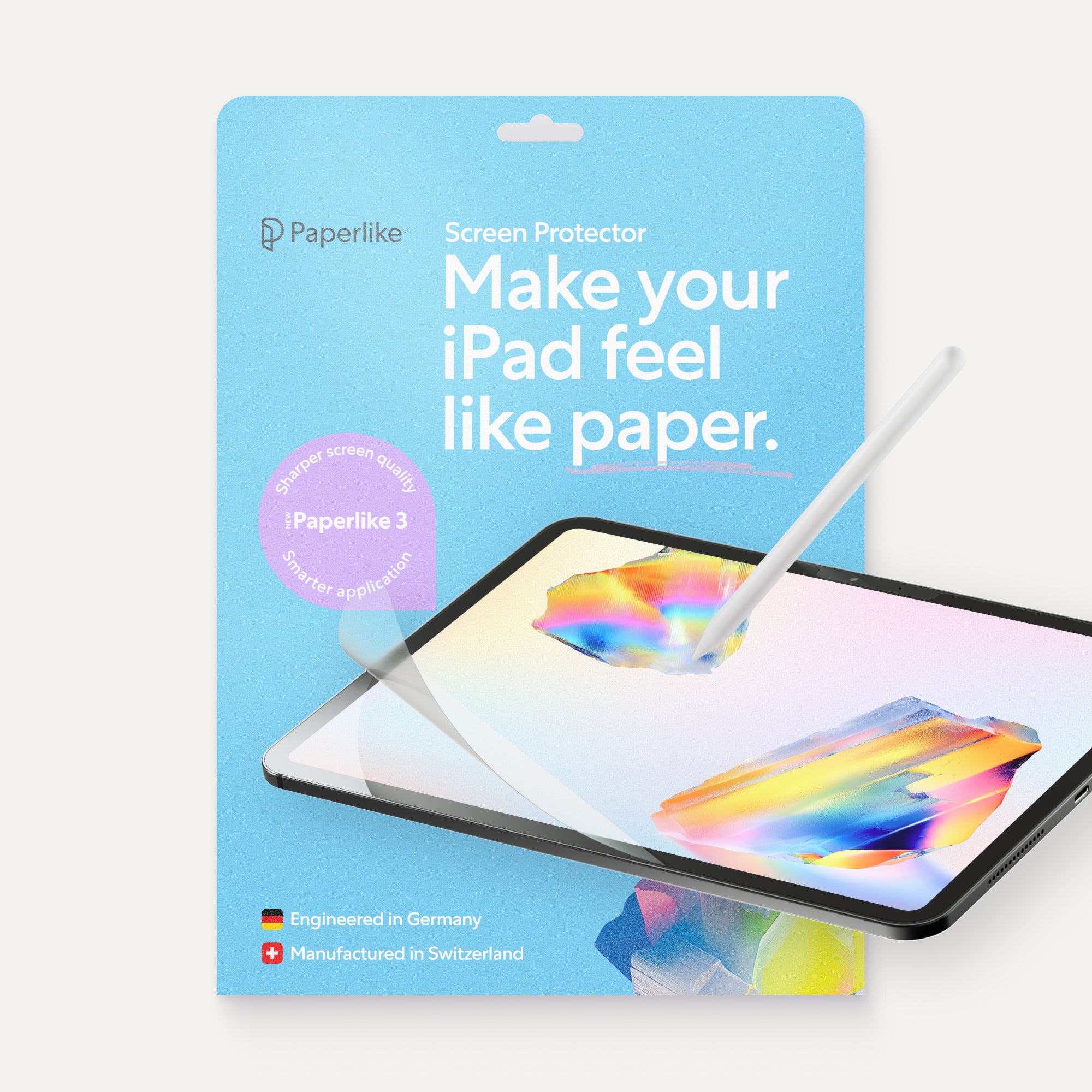
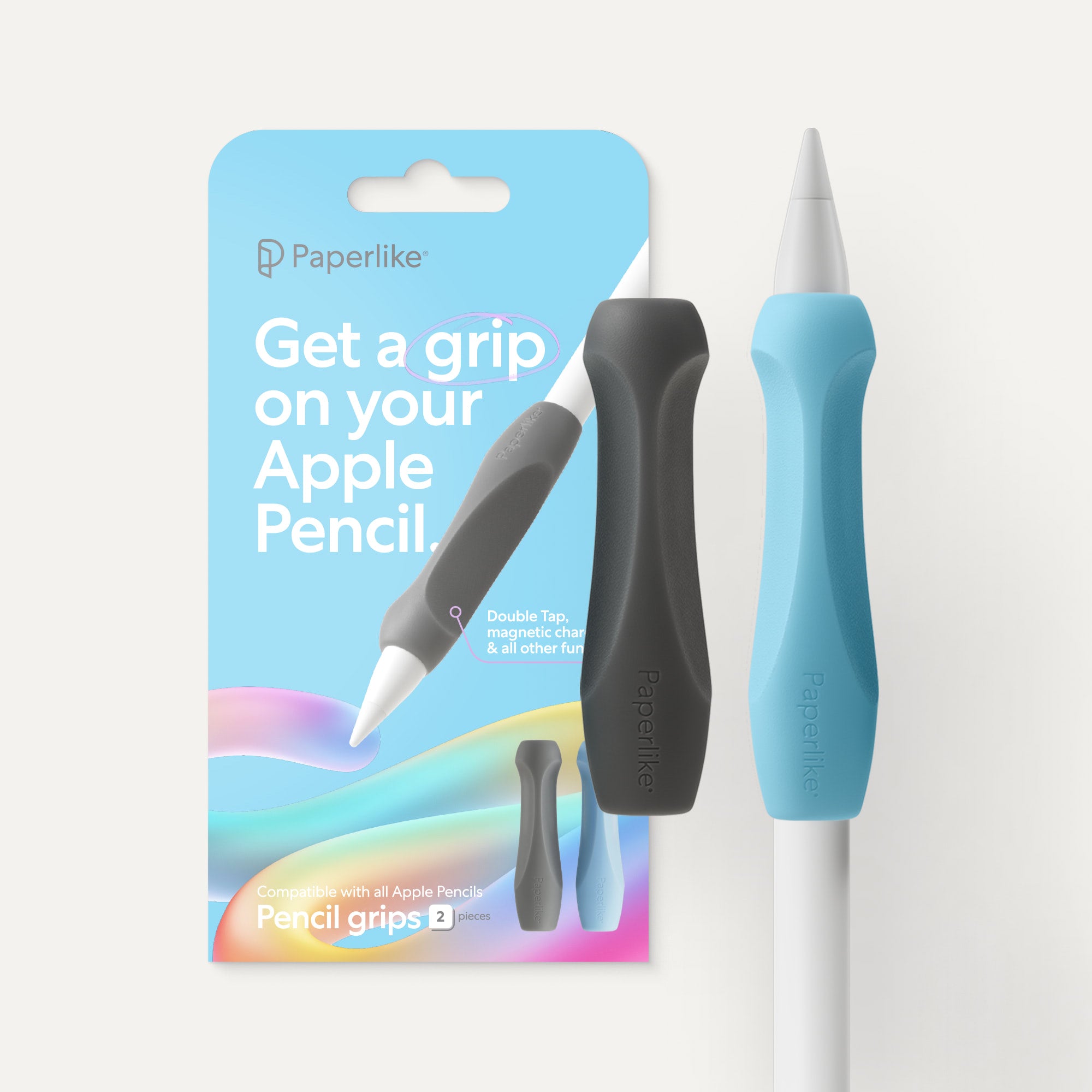
Yes, and often better than rigid systems. Creative work rarely fits into neat boxes, so process-based results tend to work best: reread a chapter, refine three sketches, outline a new scene. When working on the iPad, the Paperlike™ 3 Screen Protector adds just enough friction to make long creative sessions feel more natural, and Pencil Grips can help reduce hand fatigue while you work through your daily three.
Does Agile Results help with procrastination?
It can. Limiting yourself to three results per day reduces decision fatigue and gives you a clear place to start. If you still struggle to get going, pairing Agile Results with short-form focus methods like Pomodoro or Time Blocking can make the daily three feel even more achievable.
Final thoughts
The biggest thing I noticed with Agile Results was how much calmer the month felt. I wasn’t sorting through priorities every morning or trying to remember what I was aiming for. The structure helped me see how the smaller pieces fit together.
It’s not a system I’ll use every month, but it fit this season of editing really well. It helped me keep the bigger picture in view without asking me to overhaul my entire routine.
If you want a method that nudges you forward in small, clear steps, Agile Results is a good place to start. It kept me moving in the right direction, and that alone made the month feel more intentional.